What to Look for in a Cosmetic Dentistry Treatment Plan


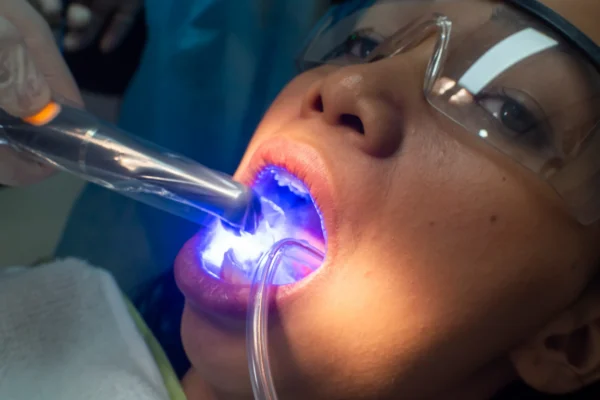
A cosmetic dentistry treatment plan should do more than promise a brighter smile. It should explain, with real clarity, how your dentist intends to improve appearance while protecting function, comfort, and long-term oral health. That balance matters more than many patients realize. Teeth are not isolated pieces of enamel. They sit in a living system that includes gums, bone, bite forces, speech patterns, jaw joints, and habits such as grinding, clenching, coffee drinking, or mouth breathing. A plan that focuses only on looks can create expensive problems later.
Patients often come in with a single goal, such as whiter teeth, straighter front teeth, or replacing old bonding that keeps chipping. Once the records are taken and the mouth is examined closely, the path forward is usually more nuanced. A person who wants veneers may first need gum treatment, a night guard, orthodontic alignment, or repair of worn biting edges. Another patient may assume they need crowns when whitening and conservative bonding would do the job with far less drilling. The quality of the treatment plan determines whether the result will look natural, feel stable, and age well.
A good plan starts with diagnosis, not sales
The strongest cosmetic dentistry plans begin with a careful assessment. That sounds obvious, but it is where many weak plans reveal themselves. If the conversation jumps straight to product names, financing, or a fixed number of veneers before anyone has taken full records, that is a warning sign.
A proper diagnostic phase usually includes a detailed exam, high-quality photographs, and X-rays when needed. In many cases, it should also include a bite assessment and discussion of your dental history. Have you chipped front teeth before? Do you wake with jaw tension? Do your gums bleed when you floss? Do you have older fillings under the teeth being considered for cosmetic work? Those details affect both design and durability.
Photos matter more than patients often expect. A good cosmetic dentist studies how the teeth appear at rest, in speech, and in a full smile. The lip line, facial symmetry, gum display, and even how much tooth shows when you are relaxed all influence what will look believable. A smile can be technically perfect on a model and still look wrong on a real face if the proportions ignore the person’s age, lip movement, or natural character.
The best plans also identify what should not be treated. That is a sign of restraint and judgment. If only two teeth genuinely need reshaping, treating ten may be unnecessary. Cosmetic dentistry is at its best when it solves the visible problem with the least biological cost.
Clarity about your actual goals
Many patients use broad terms like “perfect,” “Hollywood,” or “natural” without realizing how differently those words can be interpreted. A strong treatment plan narrows that gap. Your dentist should ask what bothers you most, what you like about your current smile, and what level of change feels comfortable.
Some patients want dramatic brightness and flawless uniformity. Others want to keep slight asymmetries because they feel more authentic. There is no universal right answer. The mistake is assuming everyone wants the same finish. Cosmetic dentistry done well is personal.
This is where mock-ups, digital previews, or wax-ups can be useful, as long as they are presented honestly. They are communication tools, not guarantees. A digital image can suggest shape and proportion, but it cannot fully predict how ceramic will reflect light in your mouth or how soft tissue will settle over time. If your dentist presents a preview as an exact promise, be cautious. If they use it to guide discussion and invite your feedback, that is a healthier approach.
Conservative options should be on the table
A treatment plan earns trust when it includes reasonable alternatives, especially more conservative ones. Not every cosmetic concern needs veneers or crowns. Depending on the case, whitening, enamel reshaping, bonding, orthodontics, or selective replacement of old restorations may achieve the result with less intervention.
Here are the kinds of options a sound cosmetic dentistry plan should at least consider when appropriate:
- Whitening for generalized discoloration, especially before choosing ceramic shades
- Bonding for small chips, spaces, and minor shape changes
- Orthodontic movement for crowding, spacing, or tooth position issues
- Gum contouring when the issue is really uneven tissue, not tooth shape
- Veneers or crowns only when simpler methods will not meet the goal reliably
The point is not that one option is always better. It is that the dentist should explain why a more involved procedure is necessary if they are recommending one. Veneers may be completely appropriate for severe discoloration, developmental enamel defects, or multiple old restorations. Crowns may be justified for structurally compromised teeth. But if the plan skips over less invasive choices without discussion, the patient is missing essential context.
Function is not separate from esthetics
This is one of the biggest differences between average cosmetic work and excellent cosmetic work. A treatment plan should explain how the new smile will function when you bite, chew, and speak. Front teeth are highly visible, but they are also mechanically important. They guide certain jaw movements, support speech sounds, and share forces in precise ways.
If the front teeth are lengthened too much, speech can sound different and the teeth may chip. If they are built too bulky, lips may struggle to close naturally and plaque can collect near the gums. If the bite is not adjusted carefully, a beautiful set of veneers may fracture in a patient who clenches at night.
Experienced clinicians pay close attention to wear patterns. Flattened edges, craze lines, broken fillings, or scalloping along the tongue can reveal parafunctional habits. These signs do not necessarily rule out cosmetic treatment, but they do change the plan. A night guard may be recommended. Material selection may shift toward stronger ceramics in some areas. The sequence of treatment may change as well.
A cosmetic plan that ignores function can look good on delivery day and fail quietly over the next year or two. A thoughtful one is built to survive ordinary life.
Gum health and tooth health come first
Patients sometimes think of gum treatment as separate from cosmetic dentistry, but the two are closely linked. Inflamed gums can distort the way teeth look, affect shade matching, and compromise the margins of veneers or crowns. Active decay or leaking restorations under a cosmetic case are equally problematic. Covering a problem is not the same as solving it.
A dentist who recommends cosmetic work should be clear about the health prerequisites. If you need periodontal treatment, cavity repair, or replacement of failing fillings before the esthetic phase, that is not a detour. It is good planning.
The gumline deserves special attention. Minor asymmetry can be charming, but obvious unevenness often distracts from otherwise attractive teeth. In some cases, the issue is excessive tissue. In others, it is tooth eruption pattern, bone level, or altered passive eruption. The right correction may be simple reshaping, or it may require a periodontist’s involvement. A solid treatment plan explains that difference instead of treating every gum issue as interchangeable.
Material choice should be explained in plain language
One of the most practical things to look for in a cosmetic dentistry treatment plan is a clear explanation of materials. Patients are often handed terms like porcelain, lithium disilicate, zirconia, composite, and ceramic without much context. That is not enough. The question is not just what material will be used, but why.
Different materials perform differently depending on the location of the tooth, the color challenge, the amount of remaining enamel, and the patient’s bite habits. Bonded porcelain veneers can be wonderfully lifelike and conservative when the underlying conditions are right. Composite bonding can be affordable and minimally invasive, but it may stain and require more maintenance. Full crowns can provide strength, yet they usually demand more reduction of healthy tooth structure.
The right treatment plan should tell you what trade-offs come with each option. If one material is more translucent but slightly less forgiving of heavy grinding, that should be said. If another is strong but tends to look more opaque, that matters too. Patients make better decisions when they understand both esthetic potential and maintenance burden.
Shade selection deserves more time than people expect
Color is rarely just about choosing “white.” Natural teeth contain variation. The neck of the tooth is often warmer. Edges can be more translucent. Neighboring teeth may not match perfectly, and sometimes that is what makes a smile believable.
A quality treatment plan should discuss whether whitening comes first and how long stabilization should occur before final shade selection. This is especially important if only a few front teeth are being restored. Matching one or two restorations to unbleached teeth is very different from designing a full cosmetic case. If the plan is to whiten first, there should be enough time afterward for the color to settle before definitive restorations are fabricated.
This is also an area where communication with the laboratory matters. High-level esthetic work often depends on excellent photos, stump shades when needed, and careful notes about translucency, texture, and surface luster. Patients may never see that backend process, but it often explains why some cases look flat and artificial while others disappear into the smile.
The sequence of treatment should make practical sense
When a plan is strong, the order of care feels logical. Whitening usually precedes bonding or ceramic shade matching. Orthodontic movement often comes before veneers if alignment is part of the problem. Gum treatment, decay control, and stabilization of bite issues generally happen before definitive cosmetic work, not after.
This sequencing also affects cost and longevity. For example, minor orthodontics can sometimes reduce the number of veneers needed or make preparations far more conservative. On the other hand, skipping alignment and forcing the shape correction entirely through restorative work may mean removing more tooth structure than necessary.
Patients should also know whether the plan includes temporaries, trial smiles, or provisional restorations. Temporaries are not just placeholders. In many larger cases, they function as a live test of length, phonetics, comfort, and esthetic direction. If something feels off in the provisional phase, it is much easier to refine before the final restorations are made.
Look for detail on maintenance, repairs, and lifespan
Cosmetic dentistry is not a one-time event that freezes your teeth in place forever. Good work can last many years, but nothing in the mouth is permanent. A plan should be honest about that.
The most helpful treatment plans cover at least these practical points:
- Expected lifespan in broad ranges rather than absolute promises
- Likely maintenance, such as polishing, re-bonding, or eventual replacement
- Habits that increase risk, including grinding, nail biting, or using teeth as tools
- The role of retainers or night guards after treatment
- What happens if a restoration chips, stains, or feels high in the bite
This is where many patients discover the difference between “cheap” and “cost-effective.” Direct bonding may cost less upfront and be exactly the right choice, but it typically needs more upkeep over time than well-made ceramics. That does not make it inferior. It simply means the long view should be discussed from the start.
A responsible dentist will also distinguish between repairable and non-repairable failures. Small composite defects may be patched chairside. A fractured porcelain veneer might require full replacement. Those are meaningful differences for both budget and planning.
Lab quality and team communication matter
Patients naturally focus on the dentist, but cosmetic outcomes are often team achievements. In cases involving veneers, crowns, or implant restorations, the dental laboratory plays a significant role. Yet many treatment plans barely mention the lab at all.
You do not need a technical lecture, but it is reasonable to ask where the restorations are fabricated, how the lab and dentist communicate, and whether the ceramist receives photos, models, or digital scans with detailed design information. Cases that are treated as generic orders often look generic. Cases that are planned carefully and communicated well tend to look far more refined.
In more demanding esthetic cases, some dentists even involve the ceramist directly for custom shade appointments. That may not be necessary every time, but it can be valuable when matching a single front tooth or managing complex translucency.
Beware of plans that promise perfection
Perfection is a seductive word in cosmetic dentistry, and often a misleading one. Natural smiles have character. Tiny asymmetries, subtle texture, and modest variation in shade are part of what makes teeth look real. When a treatment plan promises a flawless result without acknowledging limits, that usually reflects marketing more than clinical maturity.
There are always constraints. Existing tooth position, enamel thickness, gum architecture, lip dynamics, old restorations, and bite forces all shape what is realistically achievable. A seasoned dentist will tell you where those limits are. That honesty should increase your confidence, not diminish it.
A common example is the patient with severe tetracycline staining who wants ultrabright veneers with minimal tooth reduction. Depending on the underlying darkness, those goals may conflict. Blocking out deep discoloration often requires certain material and thickness choices. Another example is the patient with a narrow arch who wants a broader smile but declines orthodontics. Restorative work can help, but only up to a point before proportions start to look overbuilt. Good planning means explaining those trade-offs before treatment begins.
Cost transparency is part of clinical quality
Price alone does not tell you whether a cosmetic plan is good, but vague pricing is a problem. A proper treatment plan should spell out what is included, what is optional, and what could change the fee. Patients deserve to know if the quoted cost covers records, mock-ups, temporaries, follow-up adjustments, retainers, night guards, or replacement of old fillings discovered during preparation.
A lower quote sometimes excludes steps that matter. A higher quote may reflect more diagnostics, more time spent in provisionalization, higher lab quality, or a more comprehensive follow-up process. The right question is not just “How much?” but “What exactly am I paying for, and what Cosmetic Dentistry steps are built into the result?”
Financing can be useful, but it should never drive the treatment decision. The treatment should be justified first, then made financially manageable if possible.
The dentist’s communication style tells you a lot
One of the most reliable indicators of a sound cosmetic dentistry treatment plan is how the dentist communicates when you ask hard questions. Do they welcome them? Do they answer specifically? Do they explain risks in a calm, direct way? Or do they become evasive and rush back to the sales pitch?
Cosmetic treatment is personal. Patients may feel excited, self-conscious, skeptical, or all three. A dentist who listens carefully and adjusts the plan to your priorities is usually safer to work with than one who pushes a signature look onto every face. The right clinician has an aesthetic point of view, but not a rigid formula.
It also helps when the dentist can show examples of work similar to your case rather than only dramatic smile makeovers. The person replacing one chipped incisor has different needs than the person restoring eight worn upper front teeth. Relevant examples reveal much more than a glossy gallery of one style repeated over and over.
When to pause before saying yes
Sometimes the wisest choice is to slow down. If you feel pressured to commit on the spot, if the plan changed dramatically after a brief consult, or if the proposed treatment seems larger than the problem you came in to solve, take a breath. Cosmetic dentistry is elective in many cases. You are allowed to get another opinion, ask for records, or request a phased approach.
A second opinion is particularly useful when major irreversible treatment is being recommended, especially for young patients with healthy teeth. Once enamel is reduced for veneers or crowns, that decision carries forward for decades of maintenance. That does not mean the treatment is wrong, only that it deserves careful consideration.
The best plans feel tailored, not templated
The strongest cosmetic dentistry treatment plans have a certain specificity to them. They reflect your mouth, your goals, your habits, and your tolerance for maintenance. They explain why a given sequence makes sense. They account for health, function, and appearance together. They avoid overselling and do not pretend every patient needs the same answer.
If a plan is worth moving forward with, you should be able to understand the logic behind it. You should know what problem is being solved, what alternatives were considered, what compromises are involved, and what kind of upkeep the result will require. That level of transparency is not a luxury. It is part of good care.
Cosmetic dentistry can be transformative. It can also be subtle, conservative, and deeply practical. The difference often comes down to planning. A beautiful smile starts long before the first tooth is polished or the first veneer is bonded. It starts with a treatment plan grounded in judgment, restraint, and respect for the biology underneath the beauty.
Toothworks of Bakersfield, Dentist and Orthodontist
1030 H St #1, Bakersfield, CA 93304, United States
+1 661-323-9421
FAQ About Cosmetic Dentistry
Is bonding better than veneers?
Neither option is best for everyone. Composite bonding can address small chips, gaps, or shape concerns and is generally easier to repair. Porcelain veneers may offer greater resistance to staining and wear, but often require removal of some enamel. A dentist should assess your oral health, bite, goals, and budget before recommending treatment.
How long will dental bonding last?
Bonding commonly lasts about three to ten years before it needs repair or replacement, though this varies with the location and amount of bonding, your bite, and daily habits. Regular dental visits, good oral hygiene, and avoiding chewing hard objects can help protect it. Ask your dentist what lifespan is realistic for your particular treatment.
What are the risks of teeth whitening?
Whitening can cause temporary tooth sensitivity and gum irritation. Overuse or incorrect use may damage teeth or gums, and whitening does not change the color of existing crowns, veneers, or fillings. Have a dentist assess your teeth and gums, and follow the recommended product directions and treatment schedule.