Common Myths About Cosmetic Dentistry Debunked

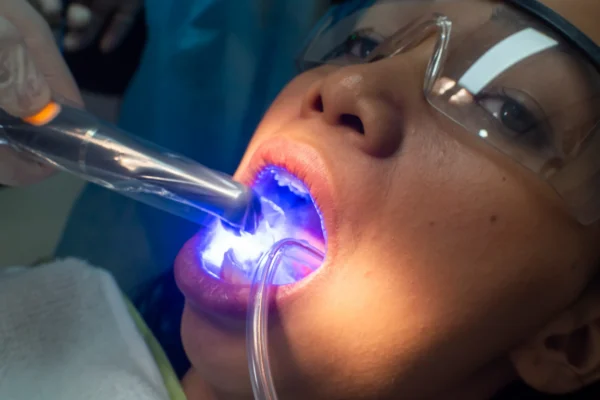
Cosmetic dentistry has a strange reputation. On one side, it is treated like a luxury reserved for celebrities, influencers, and people with unlimited budgets. On the other, it gets dismissed as superficial, as though wanting to improve a smile is somehow less valid than wanting to improve posture, skin, or vision. Neither view reflects what actually happens in a dental practice.
Most people who ask about cosmetic dentistry are not chasing a movie-star transformation. They are preparing for a wedding, returning to work after years away, replacing an old dark filling that shows every time they laugh, or finally dealing with a chipped front tooth they have hidden since university. Some want a brighter smile. Some want symmetry. Many simply want their teeth to look healthy, natural, and in proportion to their face.
The confusion comes from myths, many of them repeated so often that patients arrive convinced they already know the answer. They assume cosmetic treatment will damage their teeth, look artificial, cost a fortune, or involve weeks of pain. In practice, the truth is more nuanced. Good cosmetic dentistry is not about making every smile look identical. It is about matching treatment to the person, preserving as much healthy tooth structure as possible, and improving appearance without losing function.
Here is where the most common myths miss the mark.
Myth: cosmetic dentistry is only about vanity
This is probably the most persistent misconception, and it is one of the least fair. Appearance does matter to people, and there is nothing trivial about that. A smile affects how someone speaks, laughs, poses for photos, and even whether they make eye contact. That has social and professional consequences, whether people admit it or not.
But the divide between cosmetic and functional dentistry is rarely clean. A worn edge on a front tooth may look uneven, but it can also affect biting. Replacing old metal fillings with tooth-colored restorations improves Cosmetic Dentistry appearance, yet it may also reduce cracks around aging dental work. Straightening crowded teeth can make them easier to clean. Repairing severe staining may reveal underlying issues with enamel, diet, or previous trauma.
I have seen patients stop covering their mouth when they speak after one small bonding repair. I have also seen patients postpone restorative work for years because they were embarrassed by how their teeth looked, only seeking care once they learned a cosmetic option existed. Calling that vanity ignores how self-consciousness can keep people from taking care of themselves.
Myth: if it is cosmetic, it must be unnecessary
This idea usually comes from the assumption that dentistry falls into two neat categories: necessary treatment and elective treatment. Real life is messier. Not every cosmetic procedure is urgent, but that does not make it frivolous.
Take whitening. It is generally elective. Yet if discoloration comes from fluorosis, certain medications, enamel defects, or trauma, the emotional effect can be significant. Veneers may be chosen for aesthetics, but they can also help manage shape discrepancies, minor fractures, or developmental variations. Orthodontic treatment may start because someone dislikes crowded front teeth, but straighter alignment can improve long-term hygiene and reduce uneven wear.
A useful way to think about cosmetic dentistry is that it often sits at the intersection of confidence, biology, and quality of life. It is not always medically required in the narrow sense, but it can still be deeply worthwhile.
Myth: cosmetic dentistry always looks fake
This myth survives because people notice bad dentistry more than good dentistry. When veneers are too opaque, too bulky, too white, or too uniform, they attract attention. Natural smiles do not. The best cosmetic work often goes undetected because it harmonizes with facial features instead of overpowering them.
Natural teeth are not identical. They have slight translucency at the edges, subtle texture on the surface, small variations in shape, and color gradations from gumline to tip. A skilled cosmetic dentist pays close attention to these details. They consider lip line, gum display, face shape, age, skin tone, and even how a person speaks. A 24-year-old musician, a 45-year-old trial attorney, and a 70-year-old retiree may all want brighter teeth, but the same design would not suit all three.
This is where planning matters more than many patients realize. Shade selection under proper lighting, wax-ups or digital previews, trial smiles, and lab communication all influence the final result. Cheap shortcuts often show. So does over-treatment.
There is also a cultural shift underway. Years ago, some patients specifically requested very bright, very uniform teeth. Today, many ask for something that looks refreshed rather than obvious. They want compliments without people asking what they had done. That is usually a sign of good cosmetic dentistry.
Myth: veneers ruin healthy teeth
This one needs careful handling because it contains a sliver of truth. Veneers can be done conservatively, but they are not automatically reversible, and they are not the right answer for everyone. Anyone claiming otherwise is oversimplifying.
A veneer is a thin shell, often porcelain, bonded to the front surface of a tooth. In some cases, very little enamel needs to be reshaped. In other cases, especially when teeth are protruded, rotated, heavily restored, or dark underneath, more preparation may be necessary. The amount depends on the starting point and the final goal.
The myth comes from the extreme images people see online, where teeth appear aggressively shaved into small pegs. That does happen in poorly planned or overly aggressive cases, but it is not the standard of care. Modern cosmetic dentistry often favors minimal-prep approaches when appropriate, and sometimes recommends alternatives such as whitening, orthodontics, or bonding before ever discussing veneers.
The more honest version is this: veneers are a commitment, and that matters. They can be excellent treatment when carefully selected and well executed. They should not be offered as a one-size-fits-all shortcut to a perfect smile.
Myth: whitening damages enamel
Professional whitening remains one of the most requested cosmetic treatments, and also one of the most misunderstood. Patients often assume that bleaching strips away enamel or permanently weakens teeth. Used correctly, that is not what happens.
Whitening products work by allowing peroxide-based ingredients to penetrate the tooth and break down stain molecules. They do not scrape the enamel off. Temporary sensitivity can occur, and for some people it is pronounced. Gum irritation can also happen if the material is misused or overused. But when whitening is supervised appropriately, the main issue is usually comfort, not structural damage.
What does cause trouble is unsupervised use. Someone uses whitening strips every day for months, adds abrasive charcoal toothpaste twice daily, then tries an online whitening pen on top of that. The problem is not whitening as a concept. The problem is layering products without guidance and assuming more must be better.
Whitening also has limits that matter. It works best on many external stains from coffee, tea, red wine, or smoking history. It may do much less for tetracycline staining, gray discoloration from trauma, or restorations such as crowns and fillings, which do not whiten at all. That is why a proper assessment matters before treatment starts.
Myth: all white teeth are healthy teeth
Some of the least healthy mouths I have seen contained extremely white teeth. Brightness and health overlap only loosely. Teeth can be white and still have decay, gum disease, cracks, bite problems, or failing restorations. Teeth can also be slightly yellow and perfectly healthy.
Natural dentin has a yellow undertone. Enamel translucency changes with age. Lighting, lipstick, and skin tone can all influence how tooth color appears. Chasing an ultra-white shade without regard for these factors often creates a result that looks flat or unnatural.
Healthy cosmetic dentistry starts with diagnosis. If someone wants whitening but has untreated cavities, gum inflammation, or exposed root surfaces, those issues come first. The order matters. Cosmetic work placed on an unhealthy foundation tends not to last, and it can leave the patient disappointed even if the color improves.
Myth: straight teeth always require braces for years
Many adults avoid even asking about smile improvements because they assume orthodontic treatment will be lengthy, obvious, and socially awkward. Traditional braces do have an important role, especially for complex bite problems, significant crowding, or jaw relationships that need careful control. But they are not the only path.
Clear aligners have expanded options for mild to moderate alignment issues, and in selected cases treatment can move faster than people expect. Small cosmetic corrections, such as reducing minor crowding or closing a narrow gap, may take months rather than years. In other situations, limited orthodontics is used before bonding or veneers so the final cosmetic treatment can be more conservative.
That said, short does not always mean simple. Teeth can be moved quickly in some directions and more slowly in others. Stability afterward depends on retainers, and many adults underestimate this point. If a patient had braces at 15 and stopped wearing retainers at 19, it is no mystery why crowding reappeared by 35.
Orthodontics in cosmetic dentistry is often less about creating textbook perfection and more about putting teeth in a healthier, more aesthetic position with the least invasive overall plan.
Myth: cosmetic procedures are unbearably painful
Fear of pain keeps a surprising number of people from seeking even a consultation. The expectation is often worse than the treatment itself.
Modern dentistry has improved dramatically in local anesthesia, imaging, bonding materials, and minimally invasive techniques. Whitening may cause temporary sensitivity. Bonding usually involves little to no discomfort. Veneers can require anesthetic, temporary restorations, and an adjustment period, but patients are often relieved by how manageable the process feels. Clear aligners can create pressure or soreness when trays are changed, yet most people continue working and socializing without much disruption.
The bigger issue is not usually severe pain. It is planning for the realities that are easy to gloss over. You may need multiple visits. Temporaries can feel different from natural teeth. A new bite can take a little time to adapt to. Speech may feel slightly off for a few days with some changes to front teeth. These are not reasons to avoid treatment, but they are worth discussing honestly.
Good clinicians do not promise a completely sensation-free experience. They explain what is likely, what is normal, and what would be unusual enough to warrant follow-up.
Myth: cosmetic dentistry is only for wealthy people
Some cosmetic cases are expensive, especially when they involve multiple veneers, crowns, gum contouring, or complex rehabilitation. But the belief that every cosmetic option carries a luxury price tag is simply wrong.
One of the most cost-effective treatments in all of dentistry is often whitening. Bonding for a small chip or gap can also be relatively affordable compared with porcelain restorations. Replacing a single dark front filling with a more aesthetic material may make a visible difference without turning into a major project. Even a staged treatment plan can help, addressing the most noticeable concern first and spacing out other improvements over time.
Cost also needs to be viewed over the right time frame. A bargain treatment that stains quickly, chips often, or ignores bite issues can become more expensive than a properly planned solution. At the same time, the most expensive option is not always the best one. A dentist with sound judgment will tell a patient when a less invasive, less costly approach is likely to achieve the result they want.
For patients comparing options, a few questions tend to reveal a lot:
- What problem is this treatment solving, exactly?
- How long is the result expected to last in my case?
- What maintenance will I need?
- Is there a more conservative alternative?
- What happens if I do nothing for now?
Answers to those questions usually bring the conversation back to reality, away from marketing language and toward informed decision-making.
Myth: if social media recommends it, it must be safe
This may be the newest myth, and it is causing real confusion. Social media has flooded the public with before-and-after videos, at-home whitening hacks, clip-on veneers, mail-order aligners, and overseas smile makeovers presented as quick wins. Some content is educational. Much of it is promotional. Some of it is frankly reckless.
A polished video cannot show the health of the gums, the quality of the bite, the extent of tooth reduction, or whether the patient will still be happy with the work five years later. It also does not show the cases that failed, the repairs, the sensitivity, or the compromises made for speed.
Teeth are not interchangeable fashion accessories. A smile should be designed around the person wearing it. That requires examination, radiographs when appropriate, photographs, bite analysis, and a discussion of habits such as grinding, clenching, smoking, and acidic beverage intake. A result that looks impressive for ten seconds on a phone screen may be mechanically poor, biologically unkind, or impossible to maintain.
If a trend promises dramatic change with no examination, no maintenance, and no trade-offs, skepticism is healthy.
Myth: once cosmetic work is done, it stays perfect on its own
This myth sets patients up for disappointment. Cosmetic dentistry can be durable, but it is not maintenance-free. Natural teeth continue to age, gums change, habits matter, and materials wear over time.
Whitened teeth can pick up new stains. Bonding may chip or lose polish, especially in people who bite pens, chew ice, or grind at night. Veneers and crowns can last many years, but they are not immortal. Gum recession can expose margins. Bite changes can create stress on restorations. Poor home care can undermine even beautiful work.
Maintenance is usually straightforward, but it does require consistency. That means regular hygiene visits, sensible diet habits, a night guard if grinding is present, and realistic expectations about touch-ups. Patients who understand this tend to be happiest long term because they see cosmetic treatment as part of oral care, not a one-time finish line.
What good cosmetic dentistry actually looks like
The best cosmetic dentistry is often quieter than people expect. It is not always a dramatic before-and-after reveal. Sometimes it is a tiny contour adjustment that balances two front teeth. Sometimes it is whitening plus one bonded corner. Sometimes it is six months of aligners that make a future restoration smaller, safer, and more natural.
A thoughtful cosmetic plan usually has a few consistent traits. It starts with health, not hype. It respects the bite. It preserves tooth structure whenever possible. It accounts for maintenance. It reflects the patient’s age, face, personality, and goals rather than imposing a generic ideal.
There is also room for restraint. One of the most valuable things a clinician can say is, “You do not need the bigger treatment.” Patients remember that. Trust grows when recommendations feel proportionate.
The better question to ask
People often ask whether cosmetic dentistry is worth it. That is not quite the right question. The better one is whether a specific treatment, for a specific person, at a specific moment, is the right balance of benefit, cost, longevity, and invasiveness.
For one patient, whitening is enough. For another, whitening would barely touch the problem and lead only to frustration. A person with healthy enamel and minor spacing may be a great candidate for bonding. Someone with heavy grinding and multiple old restorations may need a very different conversation. The label “cosmetic” does not tell you whether treatment is toothworksofbakersfield.com Cosmetic Dentistry wise. The diagnosis does.
Cosmetic dentistry has earned some of its myths because bad work exists, overselling exists, and social media has a talent for flattening nuance. But when practiced well, it is neither frivolous nor reckless. It is careful, technical, aesthetic, and deeply personal. The right treatment can improve not just a smile, but how comfortably someone moves through the world. That is not a myth. It is something dentists see every day.
Toothworks of Bakersfield, Dentist and Orthodontist
1030 H St #1, Bakersfield, CA 93304, United States
+1 661-323-9421
FAQ About Cosmetic Dentistry
Is bonding better than veneers?
Neither option is best for everyone. Composite bonding can address small chips, gaps, or shape concerns and is generally easier to repair. Porcelain veneers may offer greater resistance to staining and wear, but often require removal of some enamel. A dentist should assess your oral health, bite, goals, and budget before recommending treatment.
How long will dental bonding last?
Bonding commonly lasts about three to ten years before it needs repair or replacement, though this varies with the location and amount of bonding, your bite, and daily habits. Regular dental visits, good oral hygiene, and avoiding chewing hard objects can help protect it. Ask your dentist what lifespan is realistic for your particular treatment.
What are the risks of teeth whitening?
Whitening can cause temporary tooth sensitivity and gum irritation. Overuse or incorrect use may damage teeth or gums, and whitening does not change the color of existing crowns, veneers, or fillings. Have a dentist assess your teeth and gums, and follow the recommended product directions and treatment schedule.